iSMIT 2026
World-Renowned Pioneers
We are honored to host a lineup of world-renowned pioneers and thought leaders.
Final confirmations pending - Updated monthly

Dr. med. Dorian Andrade
Senior Physician – General, Visceral & Transplant Surgery
LMU Klinikum München, Germany
Dr. med. Dorian Andrade is a surgeon at the Department of General, Visceral and Transplant Surgery at LMU Klinikum München, where he works as a senior physician. His clinical and research interests focus particularly on minimally invasive surgery and surgical technological innovation. As a member of the LMU’s Minimal-Invasive Surgery / Surgical Technological Innovations research group, Dr. Andrade contributes to the development and evaluation of technologies designed to improve surgical precision, workflow, and patient safety. The group works on advanced approaches including image-guided surgery, augmented reality, virtual reality, and 3D reconstruction for minimally invasive procedures. His work is closely connected with the development of technology-assisted and image-guided surgery, including the ATLAS project, which integrates patient-specific CT and MRI data into intraoperative navigation. Such technologies aim to provide surgeons with enhanced visualization of anatomical structures during minimally invasive procedures and thereby support safer and more precise surgery. Dr. Andrade is also actively involved in surgical education, contributing as an instructor in advanced operative techniques, including laparoscopic, thoracoscopic, and robotic procedures as well as surgical anastomosis techniques. Through his clinical, research, and teaching activities, he contributes to the advancement of minimally invasive and technology-enabled visceral surgery.

Professor Dr. Jens Albrecht
Professor of Databases and Big Data
Technische Hochschule Nürnberg Georg Simon Ohm, Nürnberg, Germany
Professor Dr. Jens Albrecht is an accomplished computer scientist and Professor of Databases and Big Data at the Technische Hochschule Nürnberg Georg Simon Ohm. His expertise spans database technologies, Big Data, data management, Business Intelligence, Natural Language Processing (NLP), and machine learning. He has been a Professor at TH Nürnberg since 2014 and is also a member of the university’s Center for Artificial Intelligence. His current research focuses particularly on Natural Language Processing, Conversational AI, and Agentic AI, with applications across social, medical, and business domains. His work also encompasses text and data mining, large-scale data analysis, and the integration of AI and machine-learning methods into practical applications. Professor Albrecht combines extensive academic expertise with substantial industry experience. Before returning to TH Nürnberg, he worked as an IT Manager at GfK Retail and Technology in Nürnberg and as a consultant at Oracle Deutschland. He earned his doctorate at Friedrich-Alexander-Universität Erlangen-Nürnberg, researching query optimization in data warehouse systems. Through his teaching, research, and applied projects, he contributes to the development of modern data-driven and AI-enabled technologies.

Professor Dr.-Ing. Cristian Axenie
Professor of Artificial Intelligence & Embedded AI Group Lead
Technische Hochschule Nürnberg Georg Simon Ohm, Nürnberg, Germany
Professor Dr.-Ing. Cristian Axenie is an accomplished AI researcher and Professor of Artificial Intelligence at the Technische Hochschule Nürnberg Georg Simon Ohm, where he leads the SPICES research laboratory and works at the intersection of artificial intelligence, embedded systems, robotics, and neuromorphic computing. His research focuses on developing intelligent, efficient, and robust AI systems for real-world applications, particularly through multisensory data fusion, neuromorphic intelligence, TinyML, and edge computing. Professor Axenie is also Head of the Neuromorphic Computing Solutions research group at the Fraunhofer Institute for Integrated Circuits (IIS). His work explores the development of energy-efficient AI architectures, embedded and edge intelligence, cognitive computing, intelligent control systems, and neuromorphic technologies. At TH Nürnberg, his SPICES Lab focuses on closed-loop cognitive neurocomputing systems that combine learning algorithms, heterogeneous sensor data, intelligent control, and resource-efficient computing. With more than 15 years of academic research and extensive industrial research experience, Professor Axenie has held research and leadership positions at institutions and organizations including the Technical University of Munich, Huawei Research Center, and Technische Hochschule Ingolstadt. His research has resulted in more than 50 peer-reviewed publications and numerous patents. He is also active in international AI and technology initiatives, including the ITU/United Nations AI4Good Impact Initiative, and contributes to the advancement of sustainable, embedded, and next-generation artificial intelligence.

Professor Volker M. Banholzer
Professor of Innovation Communication, Technology Journalism & Technology PR
Technische Hochschule Nürnberg Georg Simon Ohm, Nürnberg, Germany
Professor Volker M. Banholzer is a distinguished communications scholar and expert in innovation communication, technology journalism, technology public relations, and corporate communication. Since 2010, he has been a Professor and academic leader at the Technische Hochschule Nürnberg Georg Simon Ohm, where he has led programs in Technology Journalism/Technology PR and Innovation Communication. His academic and professional work focuses on how technological and societal innovations are communicated, understood, and shaped through journalism, corporate communication, and public discourse. His research interests include Industry 4.0 and Society 5.0, technology and innovation governance, socio-technical futures, technology conflicts and technology assessment, digital leadership, and the use of artificial intelligence in corporate communication. Professor Banholzer combines extensive academic expertise with substantial professional experience in journalism and corporate communications, including leadership roles in corporate and marketing communication at Baumüller Nürnberg GmbH and Siemens AG. His research and teaching contribute to a deeper understanding of how organizations communicate technological change and innovation in an increasingly digital and AI-driven environment.
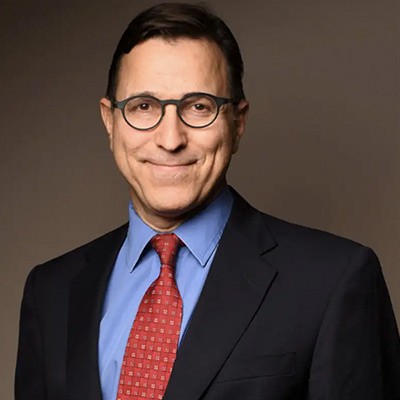
Professor Paul Barach
Expert in Patient Safety & Healthcare Systems
Thomas Jefferson University, Philadelphia, USA
Professor Paul Barach is an internationally recognized expert in patient safety, healthcare systems engineering, and human factors, with a long career spanning leading academic and clinical institutions worldwide. He has played a pivotal role in developing modern approaches to quality improvement, perioperative safety, and team-based medical education, influencing policy and practice across multiple countries. Through his research, advisory work, and global collaborations, he remains one of the most influential voices shaping safer, more resilient, and learning-oriented healthcare systems.
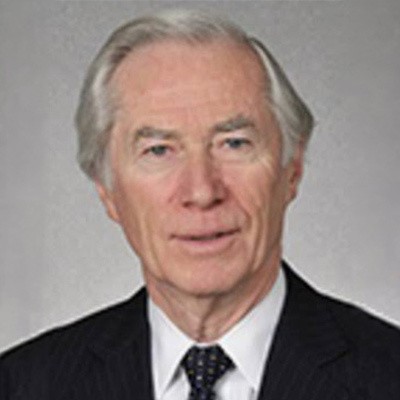
Professor Desmond H. Birkett
Professor of Surgery and Surgical Education
Lahey Hospital & Medical Center, Burlington, USA
Professor Desmond H. Birkett is a highly respected surgeon, educator, and leader in the field of surgical training and minimally invasive surgery. He is widely recognized for his longstanding commitment to advancing surgical education, competency-based training, and the integration of modern technologies into surgical practice. His professional work focuses on improving the quality and safety of surgical care through structured training programs, simulation-based education, and the assessment of technical and non-technical surgical skills. Professor Birkett has played a significant role in the development of national and international curricula aimed at standardizing surgical training and enhancing patient outcomes. As an influential academic and mentor, Professor Birkett has contributed extensively to teaching, professional development, and interdisciplinary collaboration. His leadership and dedication have had a lasting impact on generations of surgeons and on the evolution of modern surgical education worldwide.

Professor Dr. Tobias Bocklet
Professor of Machine Learning and Deep Learning
Technische Hochschule Nürnberg Georg Simon Ohm, Nürnberg, Germany
Professor Dr. Tobias Bocklet is a distinguished computer scientist and Professor of Machine Learning at the Technische Hochschule Nürnberg Georg Simon Ohm. His academic and research expertise encompasses machine learning, deep learning, automatic speech recognition, natural language processing, and AI applications in industrial and business environments. Professor Bocklet’s research focuses on developing practical AI solutions for real-world applications, including speech and audio processing, recognition of speaker characteristics, emotion recognition, and machine learning on embedded and edge devices. His work also explores the use of AI for industrial processes, predictive maintenance, quality assurance, and other applications that support digital transformation in small and medium-sized enterprises. He was instrumental in establishing the Center for Artificial Intelligence (KIZ) at Nuremberg Tech in 2021 and contributes to its applied research and technology-transfer activities. With a background that includes research and development at Intel, where he worked on deep-learning systems for speech and audio processing on embedded platforms, Professor Bocklet combines academic research with strong industry experience. His work reflects a commitment to translating advanced machine-learning methods into practical, innovative, and impactful AI solutions.

Professor Dr. Patricia Shiroma Brockmann
Professor of Information Systems
Technische Hochschule Nürnberg Georg Simon Ohm, Nürnberg, Germany
Professor Dr. Patricia Shiroma Brockmann is a distinguished Professor of Information Systems at the Technische Hochschule Nürnberg Georg Simon Ohm. Her academic expertise spans information systems, databases, global software engineering, bionic computation, e-learning, and diversity in STEM education. She combines an international academic background with extensive experience in interdisciplinary and technology-oriented education. Her research focuses particularly on global and distributed software engineering, artificial intelligence in higher education, generative AI, e-learning, and inclusive STEM education. Her recent work examines the opportunities and challenges of generative AI and large language models in higher education, including cultural differences in the use and perception of AI-based learning technologies. Professor Brockmann has an international academic background, having studied in the United States before completing her degree and doctorate in Information Systems at the University of Regensburg. Her professional experience also includes work as a software engineer at the Laboratory for Atmospheric and Space Physics in Boulder, Colorado. At TH Nürnberg, she contributes to international software-engineering education and interdisciplinary research while supporting the digital transformation of higher education. In 2025, Professor Brockmann was recognized with the Award for Good Teaching by the Bavarian State Ministry of Science and the Arts, highlighting her commitment to innovative, student-centered, and internationally oriented teaching.
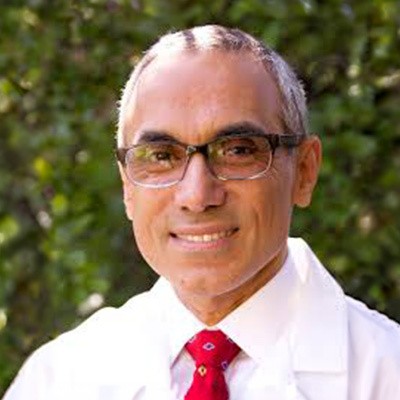
Professor Fady T. Charbel
Renowned Neurosurgeon
University of Illinois, Chicago, USA
Professor Fady T. Charbel is an internationally renowned neurosurgeon at the University of Illinois at Chicago (UIC), recognized for his pioneering work in cerebrovascular surgery and intraoperative blood-flow technologies. As a leader in neurovascular innovation, he developed groundbreaking methods for quantitative flow measurement that transformed the management of complex aneurysms and arterial occlusive diseases. His scientific contributions, extensive clinical expertise, and global educational impact have positioned him as one of the most influential figures in modern neurosurgery.

Professor Dr. med. Stefanie Corradini
Professor & Chair of Radiation Oncology
Friedrich-Alexander-Universität Erlangen-Nürnberg (FAU) / Universitätsklinikum Erlangen, Germany
Professor Dr. med. Stefanie Corradini is an internationally recognized radiation oncologist and Professor and Chair of Radiation Oncology at Friedrich-Alexander-Universität Erlangen-Nürnberg (FAU). Since 1 October 2025, she has served as Director of the Department of Radiation Oncology at Universitätsklinikum Erlangen and holds the Chair of Radiation Oncology at the FAU Faculty of Medicine. Her clinical and scientific work focuses on innovative and highly precise cancer treatments, particularly MR-guided radiotherapy, image-guided radiotherapy, stereotactic high-dose treatments, and brachytherapy. Her research aims to improve tumor control while minimizing radiation exposure to surrounding healthy tissue, supporting increasingly individualized and less invasive approaches to cancer care. Before joining FAU, Professor Corradini held senior clinical and academic positions at the LMU Klinikum München, where she led programs in MR-guided radiotherapy and brachytherapy and served as Deputy Director of the Department of Radiation Oncology and Radiooncology. She has been active in research in innovative radiation oncology since 2010 and has contributed extensively to clinical studies and international scientific collaborations. Professor Corradini combines clinical expertise, advanced imaging and radiation technologies, and translational research to advance precision oncology. Her leadership at Erlangen brings a strong focus on modern radiotherapy techniques and multidisciplinary cancer care, with the goal of improving treatment effectiveness, patient safety, and quality of life.
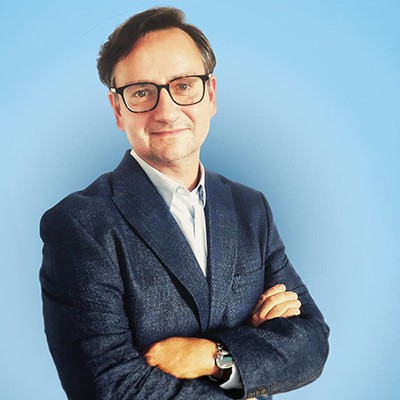
Professor Przemysław Czuma
President, Polish Society for Artificial Intelligence
AI & Clinical Innovation
Dr. Przemysław Czuma is a leading Polish expert in artificial intelligence and clinical innovation, integrating advanced AI methodologies with modern surgical and medical applications. As the President of the Polish Society for Artificial Intelligence, he plays a key national role in shaping the development, ethical governance, and interdisciplinary adoption of AI technologies in medicine, engineering, and industry. Through his research, educational activities, and international collaborations, he contributes significantly to the advancement of next-generation intelligent healthcare systems in Europe.
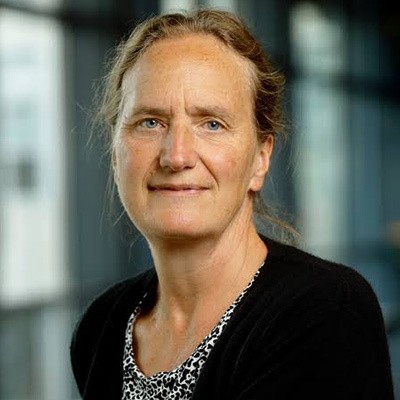
Professor Jenny Dankelman
Professor of Medical Technology and Surgical Innovation
Leiden University, Netherlands
Professor Jenny Dankelman is an internationally recognized expert in medical technology, surgical innovation, and minimally invasive surgery. She is renowned for her pioneering work at the intersection of engineering and medicine, particularly in the development and evaluation of advanced surgical instruments, robotic systems, and image-guided technologies. Her research focuses on improving surgical precision, safety, and ergonomics through innovative device design and human-centered engineering. Professor Dankelman has made significant contributions to translational research, bridging fundamental engineering principles with clinical application to enhance patient outcomes and operating room efficiency. As a highly respected academic leader, educator, and mentor, Professor Dankelman has played a key role in shaping international standards in surgical technology research and education. She is actively involved in multidisciplinary collaborations and has contributed extensively to scientific publications, guideline development, and the training of future generations of surgeon–engineers.
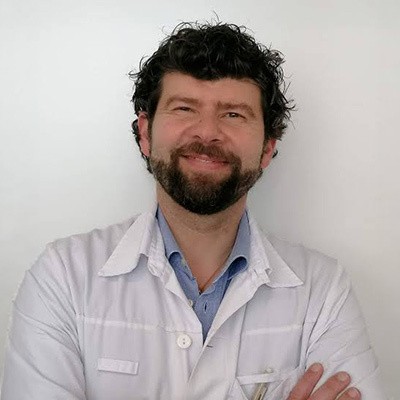
Professor Michele Diana
Head of Research, IRCAD Strasbourg
University Hospital of Geneva, Switzerland
Professor Michele Diana is an internationally recognized surgeon-scientist and one of the leading innovators in surgical data science, robotic surgery, and image-guided interventions. Head of Research at IRCAD Strasbourg, he has played a key role in advancing computer-assisted surgery, integrating artificial intelligence, augmented reality, and intraoperative imaging into clinical workflows. His work continues to shape the future of precision surgery worldwide, bridging engineering, data science, and advanced minimally invasive techniques.
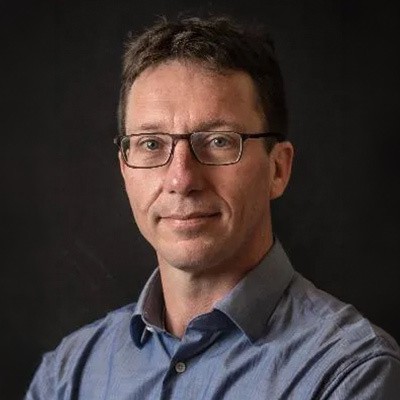
Professor John van den Dobbelsteen
Director of Studies of the joint degrees
Clinical Technology and Technical Medicine at Delft University of Technology
Professor John van den Dobbelsteen is an internationally recognized biomedical engineer and academic leader, renowned for his contributions to medical device innovation, minimally invasive technologies, and translational research at the interface of engineering and medicine. His work focuses on the design, development, and clinical validation of advanced surgical instruments and implantable medical technologies, with a strong emphasis on patient safety and usability. He has played a key role in fostering interdisciplinary collaboration between engineers, clinicians, and industry partners, supporting the successful translation of research concepts into clinical practice. Professor van den Dobbelsteen is also deeply committed to education and mentorship, actively contributing to the training of biomedical engineers and clinician–scientists. Through his research, leadership, and international collaborations, Professor van den Dobbelsteen has significantly influenced the advancement of modern medical technology and innovation-driven healthcare.
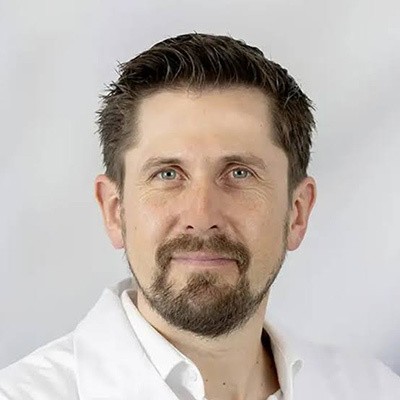
Professor Denis Ehrl
Reconstructive and Aesthetic Plastic Surgeon
Paracelsus Medical University, Nuremberg, Germany
Denis Ehrl is a distinguished German surgeon specializing in gastrointestinal and hepatobiliary surgery, known for his expertise in complex minimally invasive and oncological procedures. His scientific work focuses on surgical outcomes research, innovation in perioperative care, and the development of modern digital decision-support tools in surgery. As an academic leader and educator, he plays a key role in shaping the next generation of clinicians through his work at leading German university hospitals.

Professor Harald Fischer
Professor of Surgery and Surgical Innovation
Professor Harald Fischer is a distinguished surgeon and academic recognized for his contributions to modern surgery, surgical education, and clinical innovation. His professional work focuses on the integration of advanced surgical techniques with evidence-based practice, emphasizing patient safety, quality assurance, and the continuous improvement of surgical outcomes. Professor Fischer has been actively involved in academic teaching and postgraduate medical education, contributing to the development of structured training programs for young surgeons. His expertise spans both clinical practice and applied research, with particular interest in surgical technologies, procedural standardization, and interdisciplinary collaboration. As a respected educator and mentor, Professor Fischer has played an important role in shaping contemporary surgical practice through teaching, scientific publications, and participation in national and international professional societies.
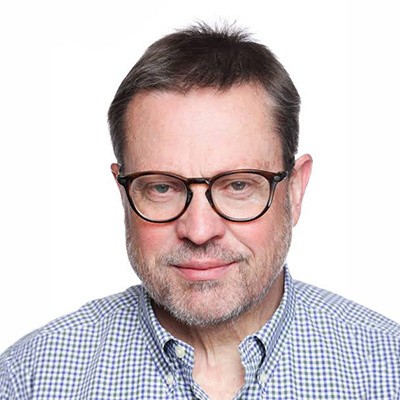
Michael Friebe
Expert in Medical Imaging & Health-Tech Innovation
Otto-von-Guericke-University Magdeburg, Germany
Professor Michael Friebe is an internationally recognized expert in medical imaging, interventional technology, and health-tech innovation, with a long academic and entrepreneurial career in Germany and abroad. He has contributed significantly to the development of advanced imaging systems, minimally invasive device technologies, and translational solutions that bridge engineering, clinical needs, and industry. As a researcher, inventor, and educator, he is a key figure shaping the future of medical technology and guiding the next generation of innovators in image-guided and AI-assisted healthcare.
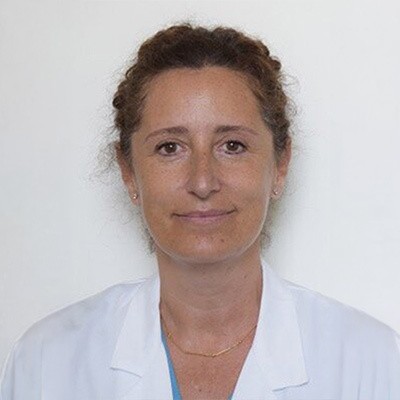
Dr. Isabella Frigerio, MD, PhD, FACS
Internationally recognized oncologic and HPB surgeon
Pederzoli Hospital, Peschiera del Garda, Italy
Dr. Isabella Frigerio, MD, PhD, FACS is an internationally recognized oncologic and HPB surgeon based in Italy, with a strong clinical and academic focus on pancreatic and hepatobiliary surgery. She holds a national qualification as Associate Professor of General Surgery and is actively involved in European surgical leadership, including roles within EDS and E-AHPBA. Her work combines high-level clinical practice, surgical education, and innovation, with particular interest in multidisciplinary cancer care and the future of surgery.

Professor Robert Grützmann
Expert in Surgery, Digital Health & Artificial Intelligence in Healthcare
Friedrich-Alexander-Universität Erlangen-Nürnberg, Germany
Professor Robert Grützmann is an internationally recognized expert in general, visceral, and oncological surgery, with a strong focus on pancreatic surgery, innovative surgical techniques, digital transformation, and the application of artificial intelligence in healthcare. He is Professor and Head of the Department of Surgery at the Friedrich-Alexander-Universität Erlangen-Nürnberg and University Hospital Erlangen. Throughout his career, Professor Grützmann has contributed significantly to the advancement of complex abdominal surgery, interdisciplinary cancer care, and the development of modern, data-driven approaches to surgical decision-making. His work includes the exploration and implementation of digital technologies and artificial intelligence to enhance clinical workflows, improve diagnostic and therapeutic strategies, and support personalized patient care. Through his clinical leadership, research activities, and commitment to innovation and surgical education, Professor Grützmann plays an important role in shaping the future of surgery, integrating human expertise with emerging technologies to create safer, more efficient, and patient-centered healthcare systems.
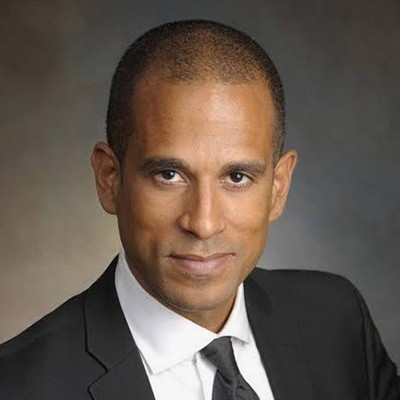
Professor Andrew Gumbs
Editor in Chef, Artificial Intelligence Surgery
Antoine Béclère Hospital, Paris, France
Professor Andrew Gumbs is one of the world's leading experts in minimally invasive surgery, specializing in advanced laparoscopy and gastrointestinal oncology. He combines exceptional surgical precision with deep translational insight, bringing innovative technologies and minimally invasive techniques into clinical practice. His scientific and educational contributions have shaped modern surgical standards across both Europe and the United States.

PD Dr. med. Christian Heiliger
Facharzt für Allgemein- und Viszeralchirurgie
Klinik für Allgemein-, Viszeral- und Transplantationschirurgie, LMU Klinikum München, Germany
PD Dr. med. Christian Heiliger is an experienced specialist in general and visceral surgery at the Department of General, Visceral and Transplant Surgery at LMU Klinikum München. His clinical and academic work focuses particularly on upper gastrointestinal surgery, minimally invasive surgery, surgical oncology, and innovative surgical technologies. A particular area of his expertise is the surgical treatment of esophageal and gastric diseases, including oncological procedures. He is involved in advanced surgical training and regularly contributes to courses covering operative strategies, resection and reconstruction techniques, as well as open, laparoscopic, thoracoscopic, and robotic procedures of the upper gastrointestinal tract. Dr. Heiliger is also a member of the LMU research group “Minimal-Invasive Chirurgie / Chirurgische Technologische Innovationen,” which brings together surgeons, researchers, and industry partners to advance technology in surgery. His work includes image-guided surgery and augmented-reality technologies, aimed at improving intraoperative visualization, surgical precision, and patient safety. His clinical and research activities further include oncological surgery and prehabilitation, with contributions to the multidisciplinary care of patients with gastrointestinal cancers. Through his combination of clinical expertise, surgical education, and research in technology-assisted surgery, Dr. Heiliger contributes to the continued development of modern, minimally invasive and precision-oriented visceral surgery.

Professor Dr. Barbara Hintz
Expert in Digital Health, Artificial Intelligence & Human-Centered Technology
Technische Hochschule Nürnberg Georg Simon Ohm, Germany
Professor Dr. Barbara Hintz is an expert in digital transformation, intelligent technologies, and the development of innovative solutions at the intersection of humans, technology, and society. She is Professor at the Technische Hochschule Nürnberg Georg Simon Ohm, where she is engaged in teaching and research focused on digitalization, emerging technologies, and their impact on future-oriented applications. Her work addresses the opportunities and challenges of integrating modern digital technologies, including artificial intelligence, into professional and societal contexts. Through interdisciplinary approaches, Professor Hintz contributes to the development of responsible, user-centered, and sustainable digital solutions that support innovation and improve decision-making processes. Through her academic leadership, research activities, and commitment to technology-driven transformation, Professor Dr. Barbara Hintz contributes to shaping the future of digital systems and promoting the responsible adoption of artificial intelligence in education, industry, and society.
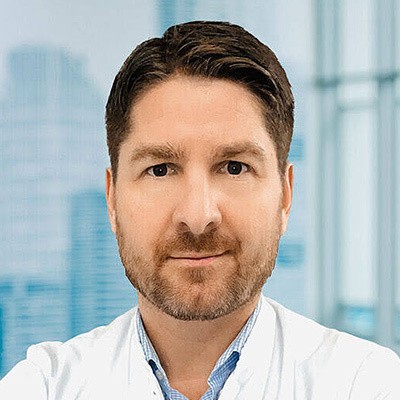
Professor Christoph Hirche
Professor of Reconstructive and Plastic Surgery
BG Trauma Hospital, Frankfurt am Main, Germany
Professor Christoph Hirche is a distinguished surgeon and academic specializing in reconstructive and plastic surgery, with a particular focus on microsurgery, hand surgery, and complex soft-tissue reconstruction. His clinical and scientific work addresses innovative surgical techniques aimed at restoring function and improving quality of life in patients following trauma, tumor resection, and congenital or acquired defects. His research interests include translational surgical research, outcome assessment, and the integration of modern technologies into reconstructive procedures. Professor Hirche is actively involved in advancing surgical education and has contributed to the development of structured training concepts for young surgeons. As an experienced clinician, researcher, and educator, Professor Hirche is widely recognized for his interdisciplinary approach and his commitment to evidence-based medicine. Through his academic leadership and international collaborations, he has made meaningful contributions to the advancement of reconstructive surgery and surgical training.
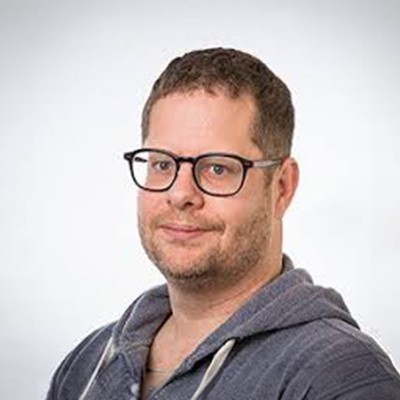
Professor Dr. Tim Horeman-Franse
Associate Professor of Surgical Technology, Delft University of Technology (TU Delft)
Delft University of Technology, Netherlands
Professor Dr. Tim Horeman-Ferenze is an internationally recognized expert in surgical technology and biomedical engineering, with a particular focus on the development, validation, and clinical translation of innovative surgical instruments and robotic systems. He holds an academic appointment at Delft University of Technology (TU Delft), where his work bridges engineering, surgery, and clinical practice. His research centers on human–instrument interaction, surgical ergonomics, objective performance metrics, and the design of intelligent tools to enhance precision, safety, and efficiency in minimally invasive and robotic surgery. Professor Horeman-Ferenze is widely known for his contributions to evidence-based surgical innovation, including the development of sensor-enabled instruments and data-driven training and assessment methodologies. As a dedicated educator and interdisciplinary collaborator, he plays a key role in advancing translational research and shaping the future of surgical robotics, surgical skills assessment, and technology-driven surgical education at an international level.
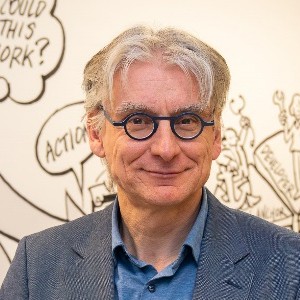
Professor Joris E. N. Jaspers
Professor of labour assisting technologies
University Medical Center Utrecht, Netherlands
Professor Joris Jaspers earned his master in mechanical engineering in 1996 and his PhD in Surgical instruments design and evaluation in 2006 (On the subject of design and evaluation of Mechanical Alternatives for “robotic” instruments for minimally invasive interventions). He holds a permanent position at the University Medical Centre (UMC) in Utrecht, the Netherlands. He has been leading the department of Medical Technology Innovation since 2008. The work of Joris Jaspers and his team focuses on the development, clinical feasibility and valorisation of devices for medical research and devices that support healthcare professionals. His R&D projects focus on labour saving devices for the labour intensive Operating-, Intervention- and Nursery-Room staff. The appointment of Associate Professor Labour Saving Medical Devices in 2013 confirmed his role as a result driven innovation liaison. Prof. Joris is a member of the steering committee of the international Society of Medical Innovation and Technology (iSMIT), member of the editorial board and reviewer of the Journal of Minimally Invasive Therapy and Allied Technology an reviewer for Surgical Endoscopy and the Journal of Medical Devices. Besides his scientific publications Joris is inventor on about 10 patent applications, of which about 5 has led to licencing deals or spin-off companies. Between 2017-2020, he was part time CTO of the Start-Up company Lapara Surgical BV and between 2017-2025 he was member of the supervisory board of the Roessingh Centre for Rehabilitation.

Professor Eiji Kanehira
Expert in Minimally Invasive & Endoscopic Surgery
Ageo Medical Group Endosurgery Academy, Japan
Professor Eiji Kanehira is an internationally recognized surgeon and pioneer in minimally invasive and advanced endoscopic surgery. His clinical expertise encompasses endoscopic and organ-preserving procedures across gastrointestinal surgery, including innovative approaches to gastric, colorectal, pancreatic, and other digestive-system diseases. Professor Kanehira has played an important role in advancing minimally invasive surgery in Japan and internationally. His professional career includes a notable period in Tübingen, Germany, where he trained in minimally invasive surgery under Professor Gerhard Buess, an experience that contributed to his subsequent development as a leading specialist in endoscopic and organ-preserving techniques. He founded the Ageo Medical Group Endosurgery Academy (AMESA) and has served as its chief director, while also contributing extensively to surgical education and international exchange. His work reflects a strong commitment to reducing surgical invasiveness, preserving organ function, and advancing innovative techniques that improve outcomes and quality of life for patients
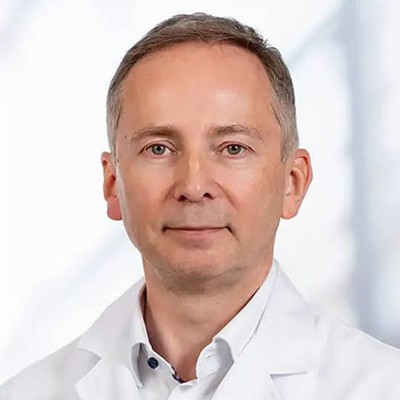
Professor Konrad Karcz
President, iSMIT 2026 World Congress
Ludwig Maximilian University of Munich, Germany
Professor Konrad Karcz is an experienced European surgeon specializing in reconstructive, plastic, robotic and minimally invasive surgery, with a strong academic background and extensive involvement in clinical innovation. His work integrates advanced imaging, robotics, AI-assisted decision support, and translational research, positioning him at the forefront of modern surgical technology development. As President of the iSMIT 2026 World Congress, he plays a key role in connecting clinicians, engineers, and industry leaders to shape the future of medical innovation and intelligent surgery.
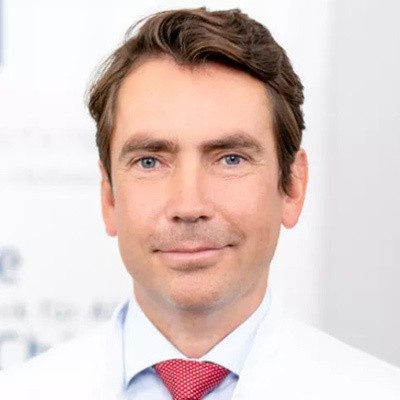
Professor Tobias Keck
Chair of Surgery, University of Lübeck
University Hospital of Schleswig Holstein, Luebeck, Germany
Professor Tobias Keck is a leading German surgeon and Chair of the Department of Surgery at the University of Lübeck and the University Hospital Schleswig-Holstein (UKSH), renowned for his expertise in hepatopancreatobiliary (HPB) and upper gastrointestinal surgery. He also serves as President of DGAV, demonstrating his prominent role in national surgical and medical structures. His work integrates advanced minimally invasive and robotic techniques with translational research—particularly in pancreatic cancer, surgical outcomes, and digital innovations in surgery.

Professor Andrzej Komorowski
Expert in General Surgery, Surgical Oncology & Modern Surgical Technologies
Professor Andrzej Komorowski is a recognized expert in general surgery and surgical oncology, with extensive clinical and academic experience in the diagnosis and treatment of oncological diseases. His professional work focuses on advanced surgical techniques, multidisciplinary cancer care, and improving treatment outcomes through evidence-based surgical practice. Throughout his career, Professor Komorowski has contributed to the development of modern approaches in oncological surgery, emphasizing precision, safety, and personalized treatment strategies. His interests include the application of innovative technologies in surgery, digital transformation of healthcare, and the potential of artificial intelligence to support clinical decision-making, improve surgical planning, and enhance patient care. Through his clinical expertise, research activities, and commitment to surgical education, Professor Andrzej Komorowski contributes to shaping the future of surgery by integrating medical knowledge, technological innovation, and patient-centered approaches to achieve safer and more effective healthcare.
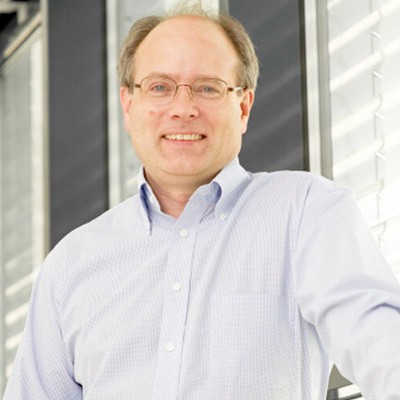
Professor Uwe Kreimeier
Distinguished Anesthesiologist
Ludwig Maximilian University of Munich, Germany
Professor Uwe Kreimeier is a distinguished German anesthesiologist and expert in perioperative medicine, critical care, and shock physiology, with a long academic career at the Ludwig Maximilian University (LMU) in Munich. His scientific work has significantly advanced the understanding of inflammation, fluid therapy, and metabolic responses to trauma, making him one of Europe's key authorities in anesthesiology and intensive care. Through his leadership in clinical practice, research, and international education, he has contributed profoundly to improving patient safety and modern perioperative standards.
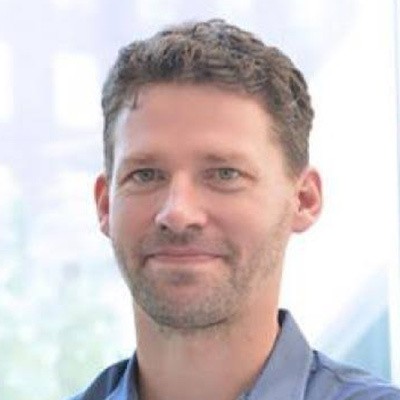
Professor Axel Krieger
Leading Researcher in Surgical Robotics
Johns Hopkins University, Baltimore, USA
Professor Axel Krieger is a leading researcher in surgical robotics at Johns Hopkins University, known internationally for developing advanced autonomous and semi-autonomous robotic systems for soft-tissue surgery. His team created the groundbreaking STAR robot, the first system to demonstrate supervised autonomous surgical suturing with human-level precision. Through his work at the intersection of engineering, AI, and clinical practice, he is shaping the future of intelligent robotic surgery and transforming how complex procedures can be performed.
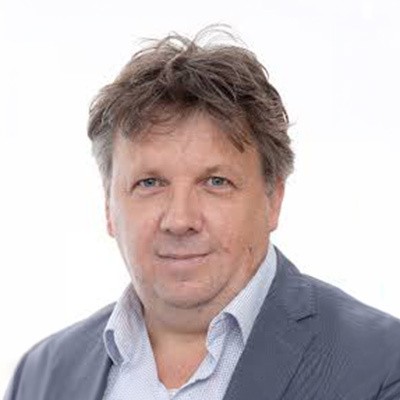
Professor Gernot Kronreif
Professor of Medical Robotics and Biomechatronics
Professor Gernot Kronreif is an internationally recognized expert in medical robotics, biomechatronics, and assistive surgical technologies. His academic and research work focuses on the development, validation, and clinical translation of robotic and mechatronic systems for minimally invasive surgery, rehabilitation, and image-guided interventions. He has played a key role in advancing the integration of engineering and medicine, contributing to innovative solutions that enhance surgical precision, safety, and ergonomics. Professor Kronreif has led and participated in numerous national and international research projects, fostering collaboration between academic institutions, industry, and clinical partners. As a respected scientist, educator, and mentor, Professor Kronreif has made significant contributions to biomedical engineering education and interdisciplinary training. His work has had a substantial impact on the evolution of modern medical robotics and the development of next-generation surgical technologies.
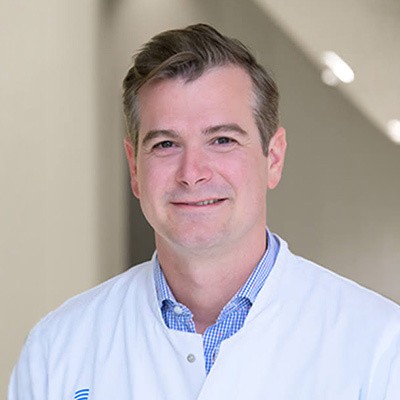
Professor Maximilian Kückelhaus (MBA)
Surgeon specializing in plastic, reconstructive, and microsurgery
University Hospial Muenster, Germany
Professor Maximilian Kückelhaus (MBA) is an internationally recognized surgeon specializing in plastic, reconstructive, and microsurgery. His clinical and academic work focuses on advanced reconstructive techniques, including microsurgical tissue transfer, complex wound reconstruction, and the restoration of form and function following trauma, oncologic surgery, or congenital conditions. Professor Kückelhaus is widely respected for his contributions to surgical education and research, with a strong emphasis on innovation, anatomical precision, and evidence-based practice. As an experienced educator and mentor, he has played an important role in training young surgeons and advancing modern standards in reconstructive and microsurgery through teaching, publications, and international collaboration.
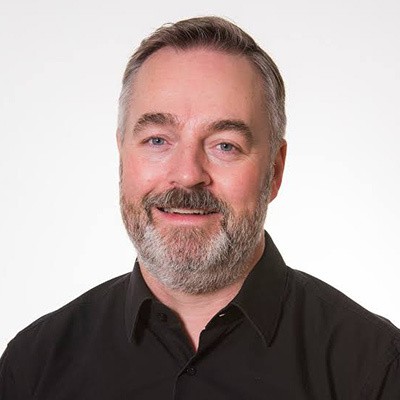
Professor Thomas Langø
Professor of Medical Imaging and Image-Guided Surgery
Professor Thomas Langø is an internationally recognized expert in medical imaging, image-guided surgery, and surgical navigation systems. His research focuses on the development and clinical application of advanced imaging technologies, including ultrasound-based navigation, augmented reality, and real-time image guidance to improve precision and safety in minimally invasive and complex surgical procedures. He has made significant contributions to the translation of imaging innovations from research to clinical practice, particularly in the fields of neurosurgery, abdominal surgery, and interventional procedures. Professor Langø has been actively involved in interdisciplinary research, collaborating closely with clinicians, engineers, and computer scientists to bridge the gap between technology development and patient care. As an experienced educator and mentor, Professor Langø has played a key role in training the next generation of researchers and clinicians in image-guided therapy. His work has had a substantial impact on the advancement of surgical navigation, intraoperative imaging, and technology-assisted surgery worldwide.

Professor Dr. Thomas Lilienkamp
Professor of Applied Computational Physics in the Life Sciences
Technische Hochschule Nürnberg Georg Simon Ohm, Nürnberg, Germany
Professor Dr. Thomas Lilienkamp is a physicist and Professor of Applied Computational Physics at the Technische Hochschule Nürnberg Georg Simon Ohm. His research combines computational physics, artificial intelligence, data science, and life sciences to develop innovative methods for analyzing complex biological and medical systems. He also serves as Dean of Studies in the Faculty of Applied Mathematics, Physics and General Sciences, contributing to the advancement of interdisciplinary education and research. His academic work focuses on computational modeling, machine learning, and high-performance scientific computing for applications in medicine, health, and the natural sciences. His research explores how simulation, data-driven modeling, and AI can improve the understanding of biological processes and support next-generation healthcare technologies. He is also a research-oriented professor within Bavaria’s High-Tech Agenda initiative, leading activities in Applied Computational Physics in the Life Sciences. Before joining TH Nürnberg, Professor Lilienkamp conducted research at the Max Planck Institute for the Physics of Complex Systems, where he specialized in computational and theoretical physics. His work bridges fundamental physics with practical applications in digital health, biomedical research, and intelligent data analysis, fostering collaboration across physics, computer science, and life sciences
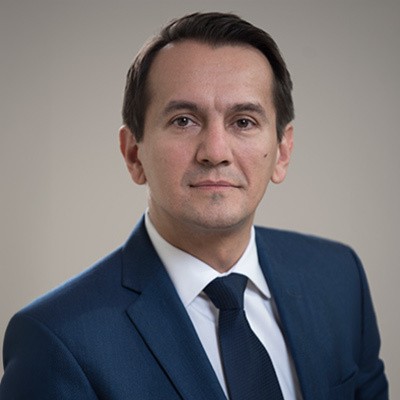
Professor Marius George Linguraru
President, MICCAI
George Washington University, Washington D.C, USA
Professor Marius George Linguraru is an internationally recognized leader in artificial intelligence and medical imaging, serving as Principal Investigator at Children's National Hospital and faculty member at the George Washington University in Washington, D.C. He is also the President of MICCAI, the world's leading society for medical image computing and computer-assisted interventions, reflecting his global influence in shaping the field. His pioneering research in AI-driven diagnostics for pediatric and rare diseases continues to transform precision medicine and the future of child-centered healthcare.
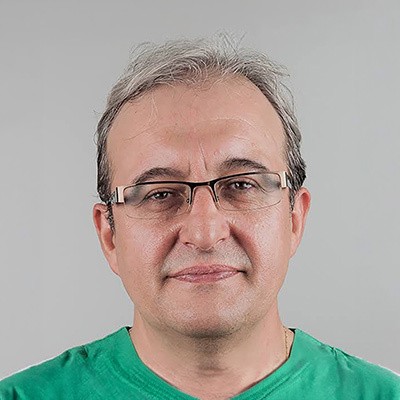
Professor Francisco Miguel Sánchez Margallo
Director, Jesús Usón Minimally Invasive Surgery Centre (JUMISC), Cáceres, Spain
Jesús Usón Minimally Invasive Surgery Centre. Cáceres, Spain
Professor Francisco Miguel Sánchez Margallo is a distinguished Spanish surgeon and biomedical researcher, internationally recognized for his expertise in minimally invasive, laparoscopic, and robotic surgery. He serves as Director of the Jesús Usón Minimally Invasive Surgery Centre (JUMISC), one of Europe’s leading institutions for surgical training, research, and innovation. His academic and clinical work focuses on the development and validation of advanced surgical technologies, translational research, and simulation-based education. Professor Sánchez Margallo has played a key role in advancing experimental surgery, surgical ergonomics, and preclinical evaluation of medical devices. As a respected educator and mentor, he is deeply involved in international training programs and collaborative research initiatives, contributing significantly to the dissemination of modern minimally invasive surgical techniques and to the improvement of patient safety worldwide.
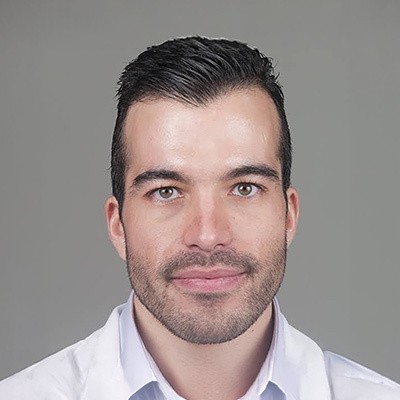
Professor Juan A. Sánchez Margallo
Director of Minimally Invasive Surgery and Surgical Innovation
Jesús Usón Minimally Invasive Surgery Centre. Cáceres, Spain
Professor Juan A. Sánchez Margallo is an internationally recognized surgeon and researcher specializing in minimally invasive and laparoscopic surgery, surgical innovation, and experimental surgery. He serves as Director of Minimally Invasive Surgery and Surgical Innovation at the Jesús Usón Minimally Invasive Surgery Centre (JUMISC), where he leads cutting-edge translational research integrating clinical surgery, biomedical engineering, and advanced surgical training. His academic and clinical work focuses on the development, evaluation, and clinical validation of novel surgical devices, image-guided and robotic technologies, and advanced simulation-based training platforms. Professor Sánchez Margallo has played a pivotal role in advancing European standards in minimally invasive surgery through interdisciplinary research, education, and international collaboration. As a respected educator and mentor, he is deeply involved in postgraduate surgical training and the dissemination of innovative surgical techniques, contributing significantly to the improvement of patient safety, surgical outcomes, and technology-driven surgical education worldwide.
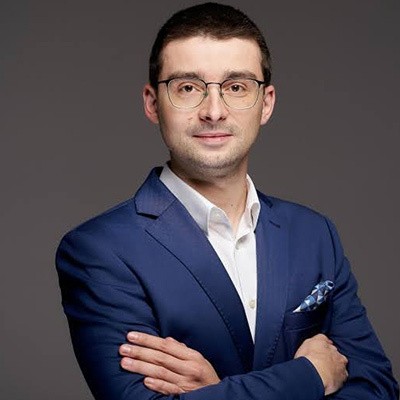
Dr. Michał Mikulski
Surgeon and Clinical Researcher
Dr. Michał Mikulski is a surgeon and academic clinician with expertise in modern surgical techniques and clinical research. His professional work focuses on the application of evidence-based surgical practice, optimization of patient outcomes, and the integration of innovative technologies into routine clinical care. His scientific interests include translational research, outcome assessment, and the development of structured approaches to surgical treatment and perioperative management. Dr. Mikulski is actively involved in clinical education and contributes to the training of medical students and young physicians. As a clinician and researcher, Dr. Mikulski is recognized for his systematic, interdisciplinary approach and commitment to high standards of patient care. Through his clinical and academic activities, he contributes to the continuous improvement of surgical practice and medical education.
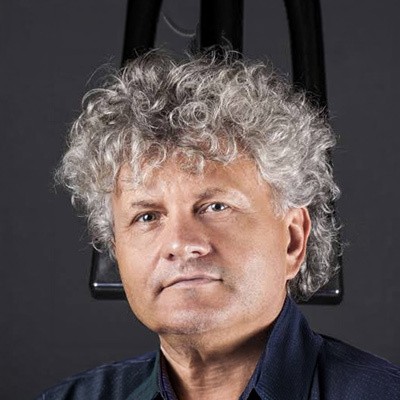
Professor Zbigniew Nawrat
Pioneer of Polish Medical Robotics
Medical University of Silesia, Katowice, Poland
Professor Zbigniew Nawrat is a pioneer of Polish medical robotics and the creator of the celebrated Robin Heart surgical robot, the first European robot entirely designed for cardiac surgery. As a long-standing researcher and innovator at the Foundation of Cardiac Surgery Development in Zabrze, he has been instrumental in advancing telemanipulation systems, surgical simulation, and new robotic platforms for minimally invasive procedures. His work has shaped the development of medical technology in Central Europe, inspiring a new generation of engineers, clinicians, and innovators.

Professor Dr. Niels Oberbeck
President, Nuremberg Tech
Technische Hochschule Nürnberg Georg Simon Ohm
Professor Dr. Niels Oberbeck is the President of the Nuremberg Tech – Technische Hochschule Nürnberg Georg Simon Ohm, where he has been unanimously re-elected by the University Council for a second six-year term beginning in March 2026. A professor of structural engineering since 2000, he previously served as Dean of the Faculty of Civil Engineering and later as Vice President for Teaching before becoming President in 2020. During his leadership, the university has achieved major milestones including the founding of the Nuremberg School of Health, the implementation of the Hightech Agenda Bavaria, the development of the Ohm Innovation Center, expansion of internationalization, and the attainment of independent doctoral awarding rights.
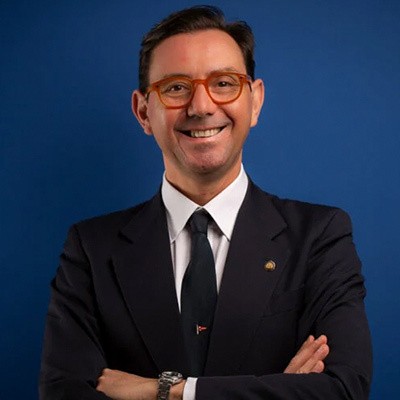
Professor Francesco Saverio Papadia
Leading Italian Surgeon
University of Genoa, Italy
Professor Francesco Saverio Papadia is a leading Italian surgeon specializing in minimally invasive and robotic surgery, with particular expertise in upper gastrointestinal and bariatric procedures. His research focuses on surgical innovation, clinical outcomes, and the development of advanced techniques that improve safety and precision in complex gastrointestinal operations. Through his academic work, international collaborations, and dedication to surgical education, he has become a recognized figure in modern European minimally invasive surgery.

Professor Andrius Patapovas
Professor of Digital Health
Nuremberg Institute of Technology Georg Simon Ohm, Nürnberg, Germany
Professor Andrius Patapovas is an accomplished expert in digital health, medical informatics, and the digital transformation of healthcare. He is a Professor at the Technische Hochschule Nürnberg Georg Simon Ohm, where he focuses on digital transformation in healthcare and serves as Pro-Dean of the Nürnberg School of Health. His expertise includes patient-centered digital healthcare, data analytics for clinical and administrative processes, clinical decision-support systems, health information systems, and digital health security. With a background spanning academia, healthcare management, and industry, Professor Patapovas previously worked at Klinikum Fürth, Siemens Healthineers, and Friedrich-Alexander-Universität Erlangen-Nürnberg. His current work explores digital patient safety, healthcare process interoperability, artificial intelligence, and the use of digital twins and AI-supported simulations to improve healthcare processes. He also contributes to strengthening cybersecurity and digital resilience across the healthcare sector.

Professor Dr. Maximilian Pilz
Professor of Applied Health Analytics
Technische Hochschule Nürnberg Georg Simon Ohm, Nürnberg, Germany
Professor Dr. Maximilian Pilz is a specialist in health data analytics, biostatistics, and digital health. His academic and research work focuses on the use of data in healthcare, with particular expertise in biostatistics, data mining, statistics, process and data management, and decision intelligence. His teaching combines quantitative methods, programming, digitalization, and advanced analytical approaches for healthcare applications. His interdisciplinary background enables him to connect mathematical and statistical methods with practical challenges in healthcare and digital transformation. Through his teaching, research, and leadership of the Digital Health Analytics program, Professor Pilz contributes to developing data-driven approaches that support evidence-based decision-making and the digital transformation of modern healthcare.

Professor Dr.-Ing. Korbinian Riedhammer
Professor of Software Architecture and Machine Learning
Technische Hochschule Nürnberg Georg Simon Ohm, Nürnberg, Germany
Professor Dr.-Ing. Korbinian Riedhammer is a distinguished computer scientist and Professor at the Technische Hochschule Nürnberg Georg Simon Ohm, where he teaches and conducts research at the intersection of software architecture, machine learning, and sequence learning. His research focuses particularly on automatic speech recognition and understanding, keyword search, and the application of artificial intelligence to practical challenges in healthcare and industry. Professor Riedhammer is a key contributor to the university’s Center for Artificial Intelligence (KIZ), where his work includes machine-learning applications in speech and language processing, healthcare, and human–machine interaction. His research also addresses privacy-aware AI and the development of intelligent systems for real-world applications, including speech-based technologies and medical use cases. With an academic and research background that includes work at the University of California, Berkeley, Professor Riedhammer combines expertise in advanced machine learning with practical software engineering and innovation. He contributes to the development of applied AI solutions and to the education of the next generation of computer scientists, with a particular emphasis on translating machine-learning research into robust, scalable, and socially relevant technologies.

Professor Dr. Jörg Roth
Expert in Artificial Intelligence, Digital Technologies & Intelligent Systems
Technische Hochschule Nürnberg Georg Simon Ohm, Germany
Professor Dr. Jörg Roth is an internationally recognized expert in computer science, intelligent systems, mobile computing, and digital technologies. He is Professor at the Technische Hochschule Nürnberg Georg Simon Ohm, where his research focuses on areas including mobile robotics, location-based services, geoinformatics, sensor-based systems, and context-aware applications. Throughout his academic career, Professor Roth has contributed to the development of innovative digital solutions that integrate data, communication technologies, and intelligent algorithms. His work addresses the challenges of designing adaptive and interconnected systems capable of supporting decision-making, automation, and new forms of human–technology interaction. Through his research, teaching, and interdisciplinary collaborations, Professor Roth continues to contribute to the advancement of artificial intelligence, digital transformation, and intelligent technologies, supporting the development of innovative and sustainable solutions for future-oriented applications.

Dr. Abhijit S. Shaligram, MD
General Surgeon
California, USA
Dr. Abhijit S. Shaligram is an experienced general surgeon in the United States, with clinical practice in Los Banos, California, and affiliations with Memorial Hospital Los Banos. His surgical expertise encompasses a broad range of general and gastrointestinal surgery, including abdominal conditions, hernia surgery, gallbladder procedures, appendectomy, and minimally invasive laparoscopic surgery. Dr. Shaligram completed his medical education at Government Medical College Nagpur and his surgical residency at the University of Washington. He is certified in General Surgery by the American Board of Surgery and has held medical licenses in California, Washington, and Maine. His professional interests include minimally invasive surgery, gastrointestinal surgery, endoscopy, and surgical management of complex abdominal conditions. He has also contributed to the surgical literature, including research on laparoscopic surgery, bariatric procedures, appendectomy, and peritoneal surface malignancies. Through his clinical practice and research, Dr. Shaligram contributes to the advancement of modern, minimally invasive general surgery, with an emphasis on effective surgical treatment, patient recovery, and evidence-based care.
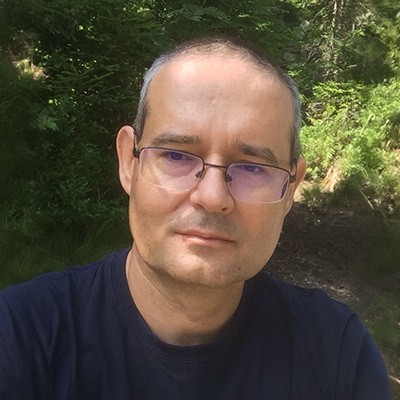
Professor Jarosław Śmieja
Specialist in Automation & Robotics
Silesian University of Technology, Gliwice, Poland
Professor Jarosław Śmieja is a specialist in automation, robotics, and intelligent control systems at the Silesian University of Technology, where he contributes to the development of advanced engineering solutions for medical and industrial applications. His research focuses on smart sensor integration, autonomous system design, and computational methods that enhance precision and reliability in complex technical environments. Through his interdisciplinary collaborations with clinical and engineering teams, he plays an important role in advancing next-generation robotic and AI-driven technologies in Poland and Europe.

Prof. Dr. Uwe Spetzger
Distinguished neurosurgeon and former President of iSMIT
Karlsruhe Institute of Technology, Germany
Prof. Dr. Uwe Spetzger is a distinguished neurosurgeon and former President of iSMIT, internationally recognized for his contributions to minimally invasive neurosurgery and surgical innovation. During his presidency, he actively promoted the integration of advanced technologies, navigation systems, and interdisciplinary collaboration in modern surgery. His work and leadership have significantly shaped the strategic vision of iSMIT at the intersection of medicine, engineering, and future surgical technologies.
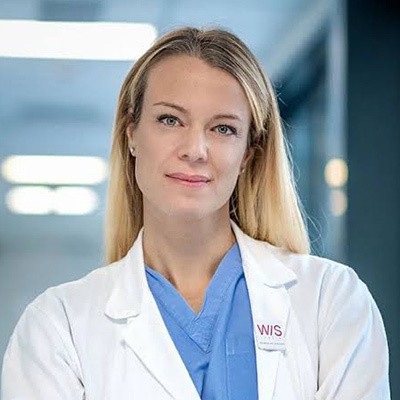
Dr. Gaya Spolverato, MD, PhD
Oncologic surgeon and researcher
University Hospital of Padua, Italy
Dr. Gaya Spolverato, MD, PhD is an Italian oncologic surgeon and researcher with a strong focus on hepatobiliary and pancreatic surgery. She is internationally recognized for her work in outcomes research, quality of care, and multidisciplinary cancer management, with numerous high-impact scientific publications. Her research bridges clinical oncology, data-driven analysis, and surgical decision-making, contributing to the advancement of modern oncologic surgery.
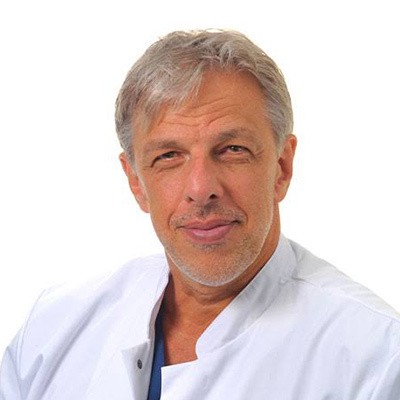
Professor Manfred Stangl
Director Physician of the renal and pancreas transplant unit at the University Clinic of Munich
Ludwig Maximilian University of Munich, Germany
Professor Manfred Stangl is a highly respected surgeon and academic with extensive expertise in general and visceral surgery, with a particular focus on minimally invasive and advanced surgical techniques. His clinical work is centered on complex abdominal procedures, while his scientific interests include surgical innovation, optimization of operative workflows, and improvement of patient outcomes. Professor Stangl has been actively involved in academic teaching and postgraduate surgical training for many years, contributing significantly to the education of young surgeons and the development of structured training programs. He is known for his commitment to evidence-based practice and interdisciplinary collaboration. Through his clinical experience, research activity, and educational leadership, Professor Stangl has made substantial contributions to the advancement of modern surgery and to the continuous improvement of surgical standards.

Professor Dr. Florian Steinmeyer
Professor of Experimental Physics
Technische Hochschule Nürnberg Georg Simon Ohm, Nürnberg, Germany
Professor Dr. Florian Steinmeyer is a physicist and Professor of Experimental Physics at the Technische Hochschule Nürnberg Georg Simon Ohm. His teaching and research focus on wave physics, magnetic resonance imaging (MRI), multimodal medical imaging, and the application of ultrasound technologies in medical diagnostics and therapy. A major focus of Professor Steinmeyer’s research is medical ultrasound for diagnosis and therapy, including digital real-time methods for advanced imaging and therapeutic applications. His research includes transcranial ultrasound, ultrasound calibration, acoustic wave-field measurement, and therapeutic ultrasound, including technologies aimed at precisely targeting tissue without conventional surgical intervention. Through his research and teaching, Professor Steinmeyer contributes to the development of next-generation medical imaging and therapeutic technologies, bringing together experimental physics, real-time digital methods, and biomedical applications to advance innovative approaches in modern healthcare.
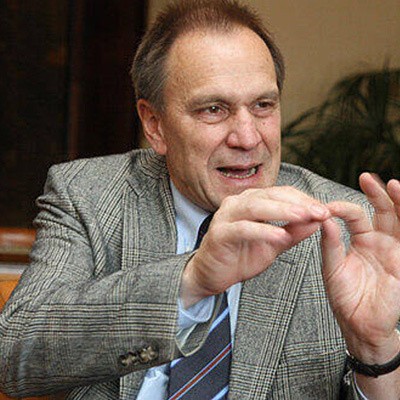
Professor Hans Herbert Steiner
Leader in German Health Innovation
Paracelsus Medical University, Nuremberg, Germany
Professor Hans Herbert Steiner is a distinguished leader in German health innovation and hospital management, widely recognized for his contributions to modernizing clinical infrastructures and fostering strategic collaborations between medicine, academia, and industry. With a long-standing career in healthcare administration, he has been instrumental in developing forward-looking concepts for integrated care, digital transformation, and sustainable hospital development. His expertise and strategic vision make him a key voice in shaping the future of healthcare delivery in Germany and Europe.
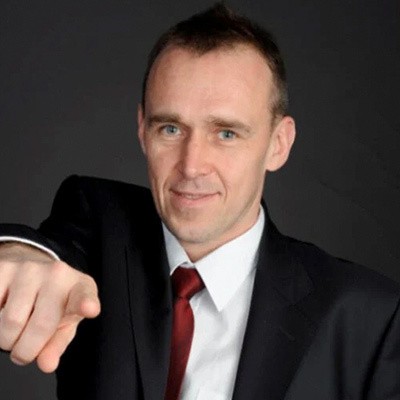
Marcin Szeliga
Microsoft MVP in Data Platform & AI
Maria Curie-Skłodowska University, Lublin, Poland
Marcin Szeliga is one of Poland's most respected specialists in artificial intelligence, data science, and applied machine learning, known for his long-standing work as a Microsoft MVP in the field of Data Platform and AI. He is an influential educator, author, and speaker, whose books and lectures have shaped the development of data analytics and AI literacy across Central Europe. Through his expertise, consultancy, and commitment to promoting responsible AI, he plays a key role in advancing digital transformation and intelligent technologies in both industry and academia.
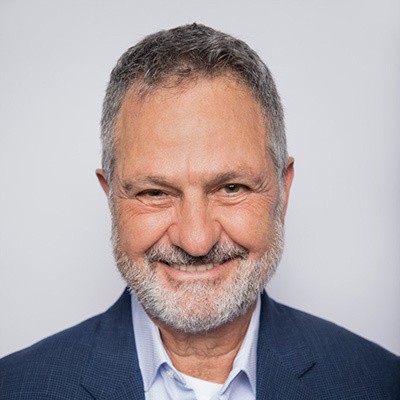
Professor Amiki Szold
Pioneer in Minimally Invasive & Robotic Surgery
Leading Israeli Surgeon
Professor Amiki Szold is one of Israel's leading surgeons and a pioneer in minimally invasive and robotic surgery, widely recognized for introducing advanced laparoscopic techniques across the region. Her clinical and academic work focuses on surgical innovation, patient safety, and the development of modern training systems for young surgeons. As a respected international educator and mentor, she has played a significant role in shaping global standards in minimally invasive surgery and advancing women's leadership in academic surgery.
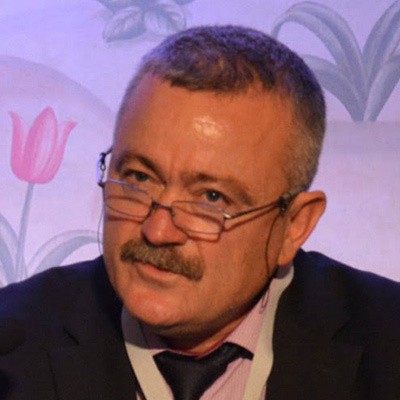
Professor Călin Țiu
Professor of Neurology, Carol Davila University of Medicine and Pharmacy, Bucharest
Carol Davila University of Medicine, Bucharest , Romania
Professor Călin Țiu is a leading Romanian neurologist and academic, internationally recognized for his expertise in cerebrovascular diseases and stroke medicine. He serves as Professor of Neurology at the Carol Davila University of Medicine and Pharmacy in Bucharest and as Head of the Department of Neurology at Colentina Clinical Hospital, one of Romania’s major tertiary referral centers. His clinical and research activities focus on acute stroke management, secondary stroke prevention, and neurovascular diagnostics. Professor Țiu has played a key role in the development and implementation of modern stroke care systems in Romania, including the expansion of stroke units and evidence-based treatment pathways. As a respected educator, researcher, and member of numerous national and international neurological societies, he has contributed significantly to improving standards of neurological care and medical education at both national and European levels.

Karolina Tradel
Forbes-Recognized Professional
Healthcare, Technology & Organizational Innovation
Karolina Tradel is an emerging professional working at the intersection of healthcare, technology, and organizational innovation. She has been recognized by Forbes for her contributions to modern digital transformation and her ability to lead multidisciplinary teams in high-impact projects. With her analytical strengths and collaborative mindset, she supports next-generation medical innovation initiatives across both academic and clinical environments.
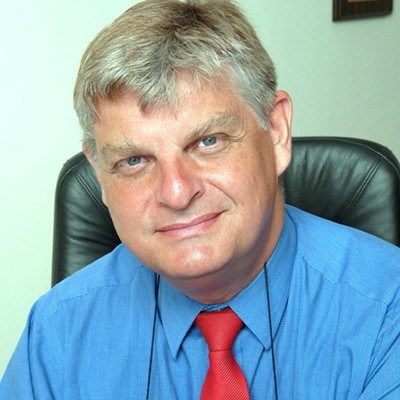
Professor Grzegorz Wallner
Former President, Polish Surgical Society
Medical University of Lublin, Poland
Professor Grzegorz Wallner is a leading Polish gastrointestinal surgeon and long-standing academic authority at the Medical University of Lublin, recognized for his expertise in colorectal surgery and surgical oncology. As a former President of the Polish Surgical Society, he has played a central role in shaping national surgical standards, education, and professional development in Poland. His extensive scientific work, leadership in academic surgery, and contribution to modern GI surgery have established him as one of the most influential figures in Central European surgical medicine.
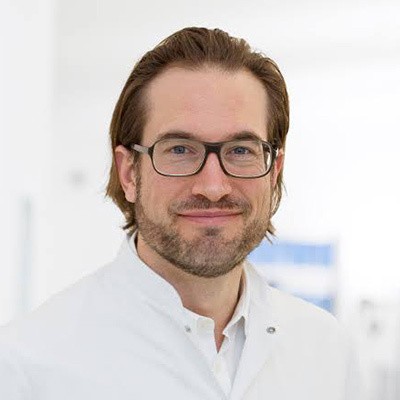
Professor Dirk Wilhelm
Leading German Surgeon & Researcher
Technical University of Munich, Germany
Professor Dirk Wilhelm is a leading German surgeon and researcher at the Technical University of Munich (TUM), renowned for his contributions to surgical robotics, digital surgery, and intelligent intraoperative assistance systems. His work focuses on integrating advanced sensors, AI-driven guidance, and robotic technologies to enhance precision and safety in minimally invasive procedures. As one of Europe's key innovators in computer-assisted surgery, he bridges engineering and clinical practice, shaping the future of next-generation surgical platforms.

Professor Dr. Sven Wiltzsch
Expert in Glass Technology, Advanced Materials & Artificial Intelligence in Manufacturing
Technische Hochschule Nürnberg Georg Simon Ohm, Germany
Professor Dr. Sven Wiltzsch is an expert in glass technology, advanced materials, and innovative manufacturing processes, with a strong focus on the digital transformation of material development and production technologies. He is Professor of Glass Technology at the Technische Hochschule Nürnberg Georg Simon Ohm, where his academic and research activities address the development, characterization, and application of modern glass materials and intelligent manufacturing solutions. His work explores the integration of digital technologies, data-driven approaches, and artificial intelligence into glass production and material optimization. By combining expertise in materials science with emerging technologies, Professor Wiltzsch contributes to improving process efficiency, quality control, sustainability, and the development of next-generation glass-based applications. Through his research, teaching, and interdisciplinary collaborations, Professor Dr. Sven Wiltzsch plays an important role in advancing smart manufacturing concepts and demonstrating how artificial intelligence and digital innovation can support the future of materials engineering and industrial production.
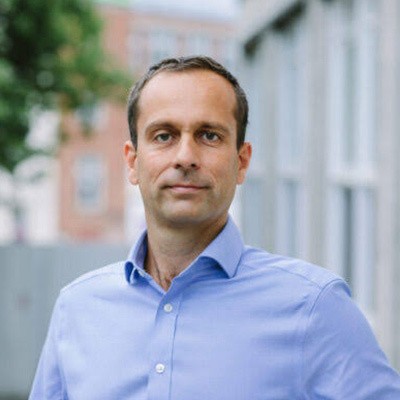
Professor Pietro Valdastri
Full Professor and Chair in Robotics and Autonomous Systems at the University of Leeds
University of Leeds, England, United Kingdom
Professor Pietro Valdastri is an internationally recognized researcher and engineer specializing in medical robotics and minimally invasive technologies. His work focuses on the development of robotic and magnetic systems for endoluminal and gastrointestinal interventions, with the aim of improving precision, safety, and patient outcomes in minimally invasive procedures. Professor Valdastri is widely known for pioneering advances in capsule robotics and robotic endoscopy, bridging engineering innovation with clinical application. As a leader in translational research, he has contributed significantly to the advancement of next-generation surgical and diagnostic technologies. He is also a dedicated educator and mentor, actively involved in training students and researchers and shaping the future of medical robotics through interdisciplinary collaboration and international research initiatives.

Professor Dr. Bernhard Volz
Technische Hochschule Nürnberg Georg Simon Ohm, Nürnberg, Germany
Professor Dr. Bernhard Volz is a professor and academic at the Technische Hochschule Nürnberg Georg Simon Ohm. His work includes a strong focus on the intersection of artificial intelligence, digital transformation, and society, with particular interest in the opportunities and challenges that emerging AI technologies create for education, organizations, and everyday life. Professor Volz contributes to interdisciplinary discussions surrounding the responsible use of artificial intelligence, bringing together technological, social, and ethical perspectives. His academic work reflects the growing importance of understanding AI not only as a technological innovation but also as a transformative force affecting professional practice, communication, and society. His contributions include work on the opportunities and risks of artificial intelligence, including interdisciplinary perspectives on the impact of AI on human life and society. Through his teaching and academic engagement at TH Nürnberg, Professor Volz contributes to preparing students and professionals to critically assess emerging technologies and to use digital and AI-based innovations in a responsible and informed manner. Technische Hochschule Nürnberg Georg Simon Ohm
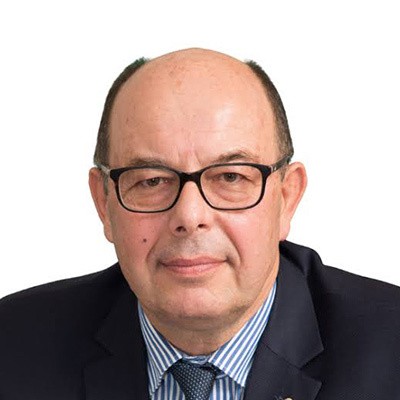
Professor Krzysztof Zieniewicz
President, Polish Surgical Society
Medical University of Warsaw, Poland
Professor Krzysztof Zieniewicz is one of Poland's leading hepatobiliary and transplant surgeons, serving as a senior surgeon and academic leader at the Medical University of Warsaw. He is also the President of the Polish Surgical Society, reflecting his national leadership and long-standing contributions to the development of academic surgery in Poland. His expertise spans complex liver transplantation, oncologic liver surgery, and advanced minimally invasive approaches, establishing him as a prominent figure in European hepatobiliary and transplant surgery.

We Are Going Paperless
Sustainable Impact: For every congress participant, we will plant a tree — a tangible contribution to environmental protection.

Content available for one year after the congress
iSMIT 2026 News
CONTACT
Congress and Project
Management / Organizer:
projektart – Studio Karlsruhe
E-Mail: ismit2026@projektart.eu
Web: www.projektart.eu
QUICK LINKS